

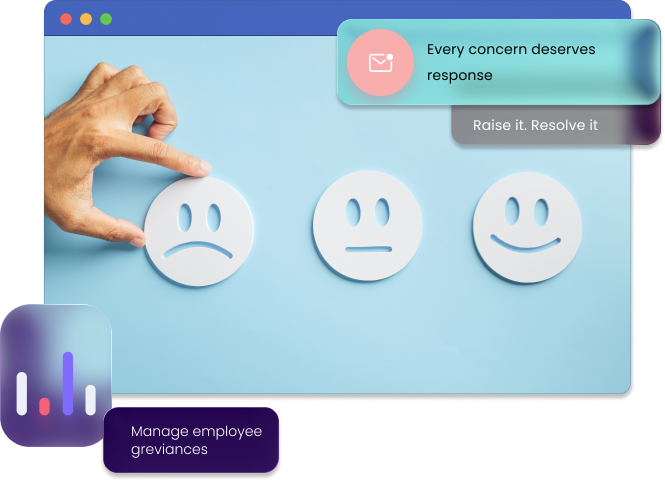
Course Curriculum
Good handling prevents bigger problems.
- Why the first response matters so much here
- Receiving concerns without becoming defensive
- How to acknowledge without pre-judging outcomes
- Setting the right tone from the very first moment
- Listening with objectivity and without bias
- Separating facts from assumptions and feelings
- How to make employees feel genuinely heard
- Staying neutral when the issue involves you
- What good grievance documentation looks like
- Recording concerns accurately and consistently
- Avoiding personal interpretation in your notes
- How documentation protects all parties here
- Resolution steps aligned with policy and law
- Timelines and communication expectations here
- What a fair and defensible outcome looks like
- When to escalate and who should be involved
- Warning signs that a concern is building up
- How to address issues before they escalate
- Preventing repeat grievances from the same source
- Building a culture where concerns are welcome


Outcomes
Build organisations where grievances are handled fairly, promptly, and without defensiveness. Outcomes that reduce attrition and strengthen leadership credibility over time.
Delays in handling grievances compound the original problem. This course gives managers and HR a clear process to follow from the moment a concern is raised, reducing the time it takes to reach a fair resolution and limiting the collateral damage that unresolved issues cause to team morale.
Inconsistency in grievance handling is one of the fastest ways to lose employee trust. This course ensures that every manager applies the same standard of objectivity, documentation, and process to every case, producing outcomes that are defensible, fair, and aligned with policy and legal requirements.
Employees do not leave because grievances exist. They leave because grievances are ignored or mishandled. This course helps managers respond in ways that make employees feel heard and valued, reducing the likelihood that unresolved concerns translate into resignations, formal complaints, or tribunal claims.
How a leader handles a grievance says more about them than almost anything else. This course builds the skills and confidence that make managers credible in difficult moments, helping them respond with the objectivity, care, and consistency that earns long-term trust from the people they lead.