Course Curriculum
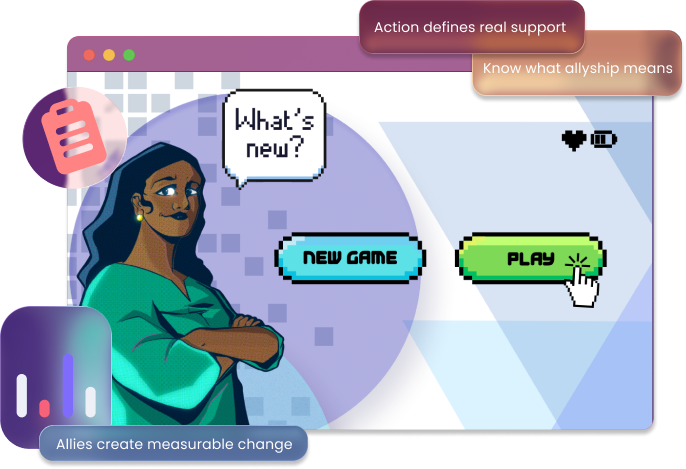
Building allyship in everyday work
- How bias appears in daily work interactions
- Subtle exclusion in meetings and decisions
- Common patterns that go unnoticed at work
- How small actions create larger impact
- What to say when bias shows up at work
- Ways to respond without creating conflict
- Balancing clarity with respect in responses
- Choosing the right moment to step in
- Listening without making assumptions
- Offering support that is actually helpful
- Respecting boundaries when offering help
- Following up after difficult situations
- Addressing behaviour without blaming people
- Keeping conversations focused on impact
- Managing defensiveness in discussions
- Maintaining trust while raising concerns
- Including others in conversations and decisions
- Sharing credit and recognising contributions
- Making space for different perspectives
- Building consistent inclusive team habits


Outcomes
Stronger allyship that improves trust, inclusion, and team performance. Outcomes that show up in how people work together every day.
Workplaces often rely on policies to address discrimination after it happens. This course focuses on prevention by helping employees recognise early signs of bias and act before situations escalate. As a result, teams reduce the frequency of issues that turn into formal complaints. This creates a more consistent and proactive approach to handling bias across the organisation.
Employees are more likely to stay when they feel supported and respected at work. This course builds the everyday behaviours that make colleagues feel seen and valued, reducing disengagement and preventing the kind of experiences that lead people to leave teams early. Over time, this strengthens stability within teams and reduces the cost of frequent turnover.
Culture is shaped by what people do every day, not just what policies say. This course helps employees turn inclusion into consistent action, making allyship visible in meetings, decisions, and interactions across the organisation. This leads to a workplace where inclusion is experienced daily rather than communicated occasionally.
Teams perform better when people feel safe to contribute and collaborate. By reducing bias and strengthening trust, this course helps teams work more effectively together, leading to clearer communication, better decisions, and stronger overall outcomes. This results in teams that are more aligned, productive, and able to deliver sustained performance.