

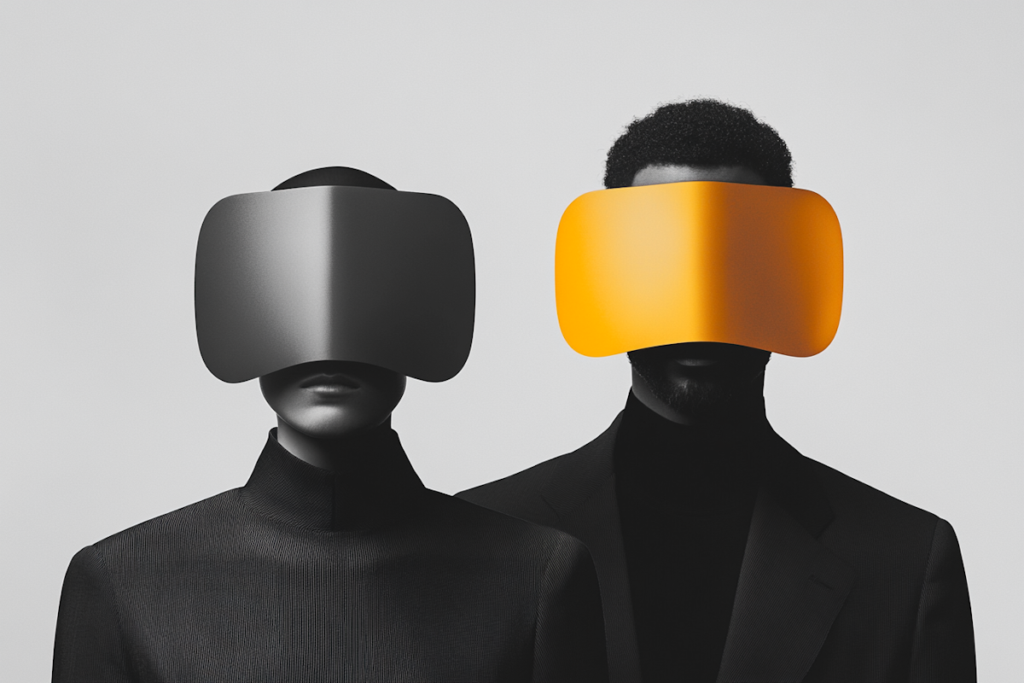




Not all disabilities are visible. Many people live with invisible conditions like chronic pain, ADHD, anxiety, HIV or autoimmune diseases that don’t have outward signs but deeply impact how they work and navigate daily lives.
Because these conditions are not always seen, they’re often misunderstood. A colleague might seem inconsistent with deadlines, quiet in meetings and frequently fatigued, not because they lack motivation but because they are managing fluctuating symptoms, energy levels, nd the burden of stigma. In cases like these, it isn’t performance issues, lack of commitment, but instead a lack of support and understanding.
The misunderstanding often creates a pressure to “pass” as non-disabled, leading to burnout or isolation. Many individuals hide their conditions to avoid gossip, social stigma or judgment. It’s why many people with invisible disabilities hesitate to request accommodations, fearing that they will be perceived as unreliable. That can lead to exhaustion, isolation and burnout.
Building an inclusive culture means recognising that needs vary. It means offering flexibility without requiring justification or explanation. It also means designing a system that can accommodate a range of experiences, like training managers and teams to listen without assumptions and provide accommodations without resistance.
Most of all, it means trusting people’s experiences, whether you can see them or not. Acknowledging invisible disability makes workplaces safer, stronger, and more compassionate.
The invisible disabilities lens makes it necessary for us to widen our lens and go beyond what our ideas of challenge are. Through this, we make room for employees to thrive and feel open to ask for accommodation and work to their potential.