

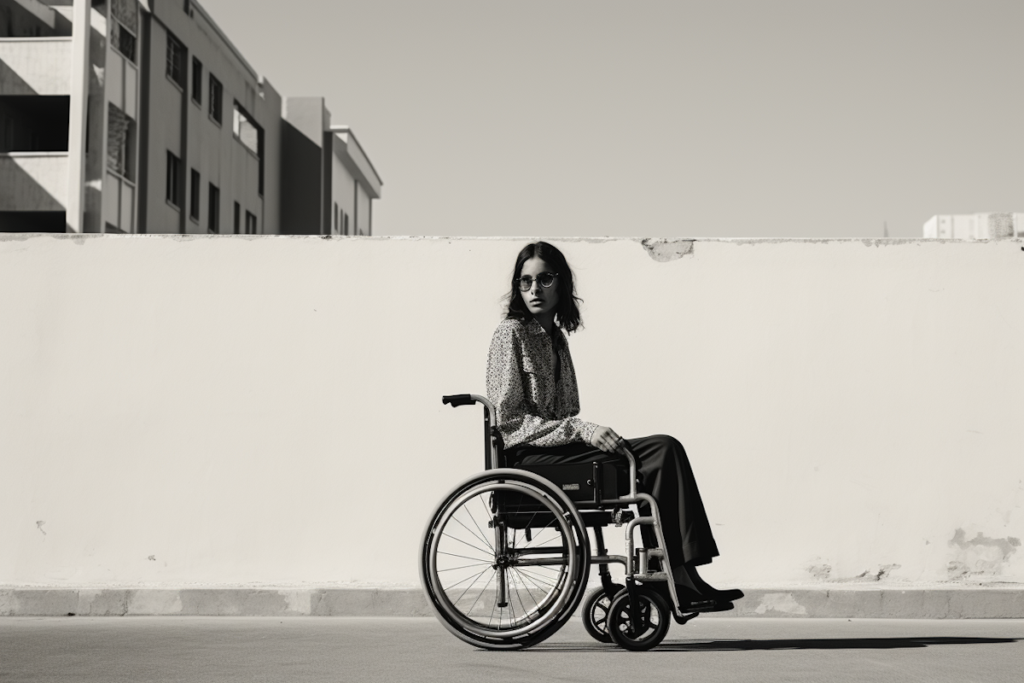




Accessibility is often seen in physical terms, such as wheelchair ramps, elevators, or accessible restrooms. While these are essential, they are just the beginning. True accessibility means designing work environments where everyone, regardless of ability, can participate fully and comfortably.
This includes how meetings are held, how communication happens within meetings, and what technology is being used at work. Can someone access the same content if they use different means to read it? Can they contribute to policies if they need extra support?
Accessibility is also about policy. It’s about –
Flexible hours,
Remote work options,
Inclusive communication
Importantly, accessibility shouldn’t require people to repeatedly self-advocate. When inclusion is embedded into systems, not dependent on disclosure, it becomes part of the culture. True accessibility starts with asking, “What barriers might exist here?” and then removing them, proactively and without judgment. When we design with accessibility in mind, we create better conditions for everyone, not just those who ask for support.