





Welcome again to Data Digest. This week: Are Gen Z’s difficult to employ?
You might have been hearing this complaint across the corporate world in the last couple of weeks and months. This conversation has been exploding on the internet and doing the news rounds, as senior colleagues globally weigh in on what it is like to work with Gen Z employees.

Taking over the workforce, but not hearts
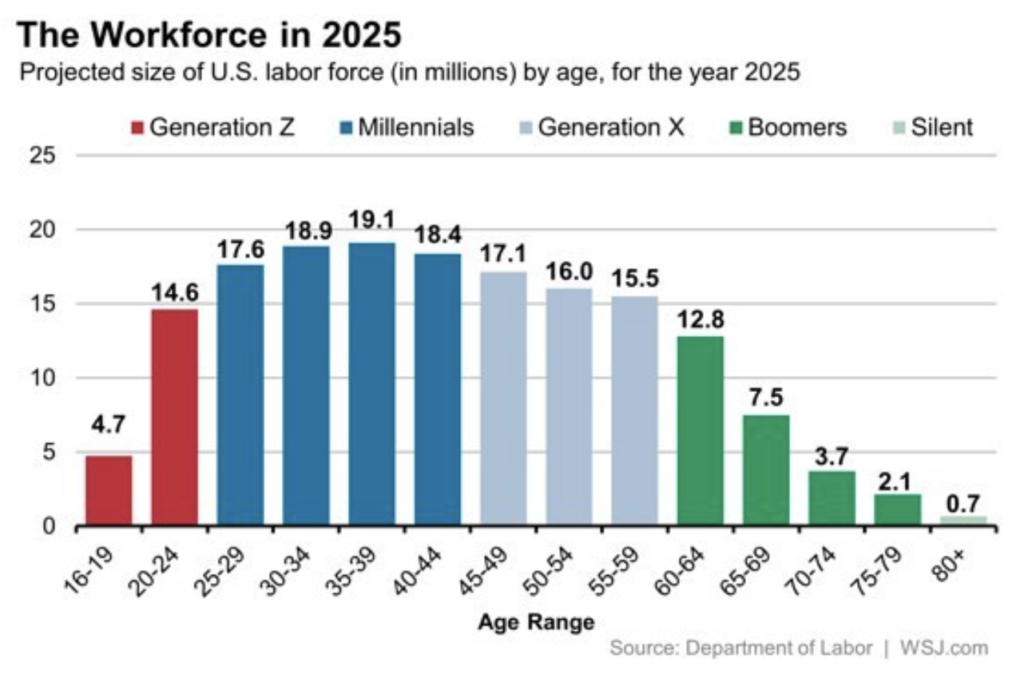
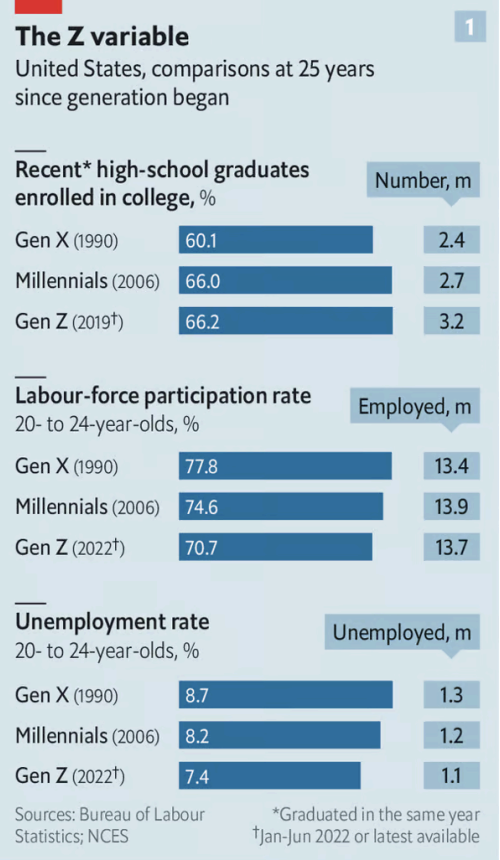
Gen Z workers are fast becoming one of the major sections of the global workforce. Data from the US Department of Labour shows that Gen Z employees are now almost head-to-head in terms of numbers when compared to their Millennial and Gen X colleagues. Multiple sources project that Gen Z workers will occupy the major chunk of the workforce by the early 2030s.
Source: How to Tell If a ‘Fact’ About Millennials Isn’t Actually a Fact
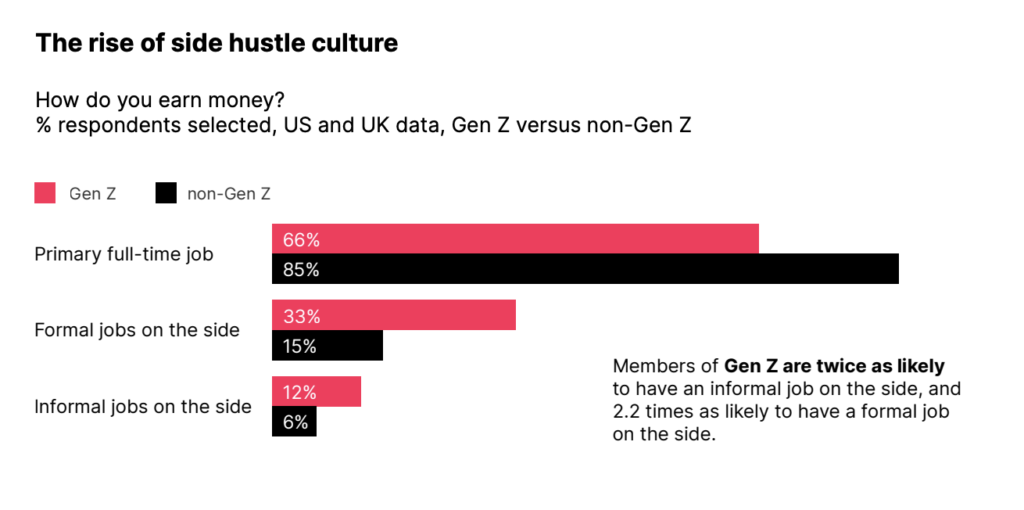
Despite their strength in numbers, it seems that older colleagues are not impressed. One survey showed that 45% of hiring managers found it challenging to work with Gen Z. Even among Gen Z hiring managers, 50% admitted that their own generation is the most difficult to manage. Bosses have sounded alarm bells about Gen Z’s workplace conduct. This includes failing to follow proper workplace attire directives, not being punctual, lack of professionalism in meetings and client interactions, making non-work related calls for extended periods of time during work hours… the list goes on. Gen Z are also looked upon as serious rule breakers, making job-hopping their common pastime and moonlighting, an unsaid reality.
Source: Oliver Wyman Forum, A-Gen-Z Report
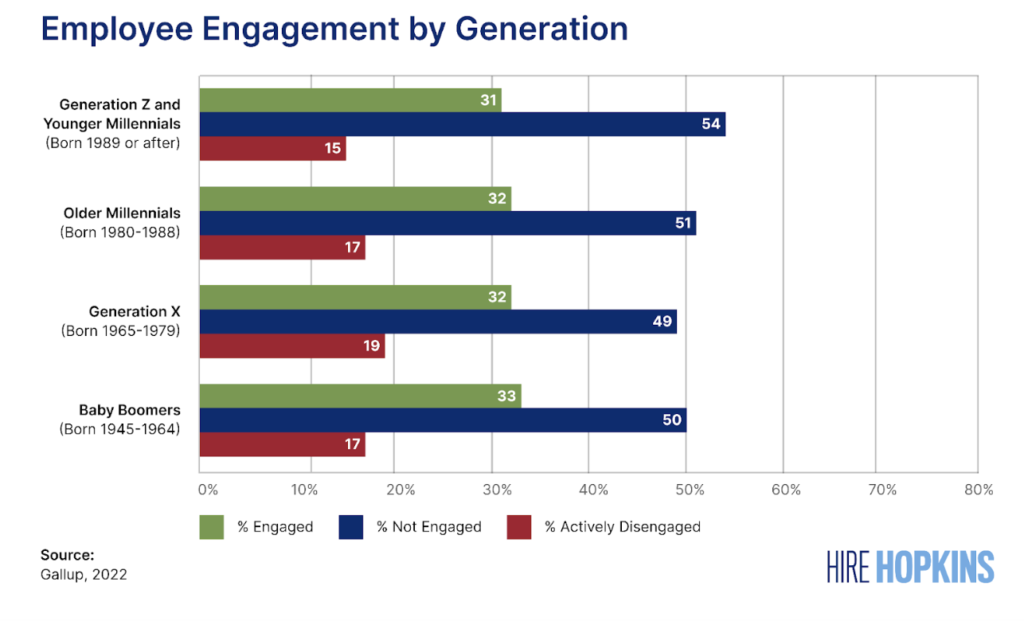
All of this affects engagement numbers of Gen Z employees which is projected to be among the lowest among peers. Only around 6% of Gen Z employees aspire to climb the corporate ladder into leadership positions. This gives companies the impression that they are lazy and cannot be relied upon.
Source: Gallup, State of the Global Workplace: 2022 Report
As trends like “quiet quitting”, “bare minimum Mondays” and “productivity theatre” are driven to popularity on TikTok and Instagram, primarily by Gen Z creators, biases about motivation and sincerity of this generation are also piquing among senior leaders.
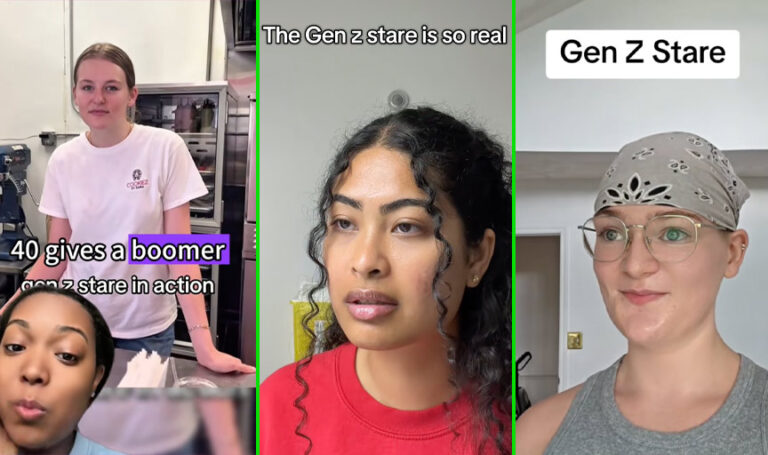
Gen Z workplace communication is one of the most talked about traits when it comes to this cohort of employees. Managers complained that Gen Z reportees, routinely “ghost” colleagues i.e do not reply to work requests for several hours or even days, struggle to make eye contact, have poor messaging and email etiquette like using slang or inappropriate emojis. The Gen Z blank stare has become unanimous with Gen Z’s supposedly rude and indifferent communication style. Now, some companies are going the extra mile and booking etiquette classes for their Gen Z staff.
Why the odd behaviour?
Experts feel that losing out on crucial school and college years during the pandemic and being forced to cluster indoors, eroded Gen Z’s soft skills greatly. This leads them to miss social cues as they enter work. These lost years of traditional education also means that Gen Z missed out on formal experience with internships and summer programs which is usually a young adult’s first taste of the goings-on at workplaces. As a result, post-pandemic, this generation was just pushed into the deep end of the corporate world without any inflatable floaties.

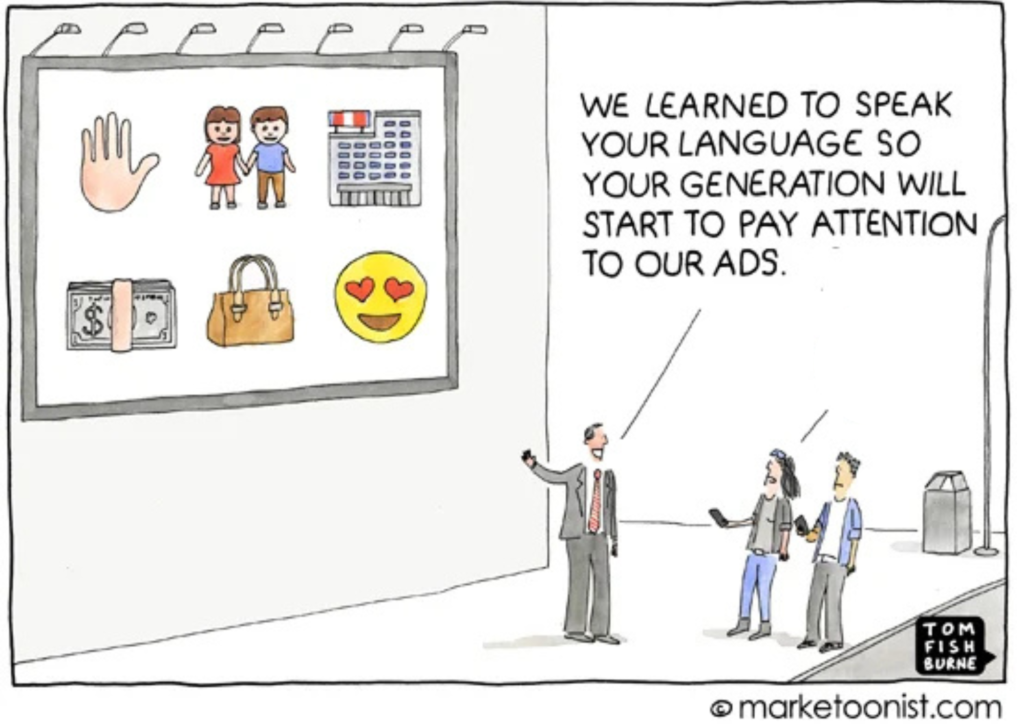
Another reason for Gen Z’s inappropriate communication style can be their intense exposure to social media, more than previous generations. For instance, Gen Z gets its news and other important information largely from social media platforms where it is disseminated in informal language, using slang. In order to connect with the Gen Z consumer, brands have also started to communicate in the same language. Living within an ecosystem where such forms of communication has been normalised and practiced daily, workplace expectations seem to not really register fully with Gen Z employees.
An expectations mismatch
Poor conduct and lacklustre communication skills may just be an adjustment issue that inexperienced Gen Z employees will likely just grow out of as they go through the corporate machinery and all the conditioning that it entails. Afterall, generations before them have had similar problems and now they call the shots from positions of leadership.
A more pressing issue is a stark expectations mismatch between employers and their Gen Z staff. Many Gen Z’s started their careers during or right after the pandemic. This led them to reconsider the value of work within their lives ultimately leading to a deeper focus on work/life balance. A fulfilling job in their opinion is one at the golden intersection of money, purpose and wellbeing. A major element of this is advocating strongly for hybrid or remote work.
On the other hand, employers seem to be clinging to legacy management norms such as hierarchical command structures, rigid 9-to-5 schedules, in-office attendance and prioritising loyalty and endurance over individual well-being.

Not an appeasement game
Given this frustrating mismatch, many companies have tried to throw money at the problem, hoping it will disappear. Experts comparing job hopping rates among young workers have chalked this tendency among tech companies and consultancies as an attempt to retain talent.
Source: What Gen-Z graduates want from their employers
But just money might not entirely cut it to engage and make the Gen Z workforce productive. As per studies, 43% of Gen Z workers in the UK would take a pay cut for better opportunities. This indicates the ambition for growth among Gen Z but along lines of success that are very different from previous generations. Gen Z looks at soft skills, time management and industry-specific knowledge as the main drivers of their growth. 86% of them feel that mentorship and guidance from their managers is what will get them where they need to be. But managers do not seem to know this, are hesitant to act or simply do not have the time to engage with their teams in this way.
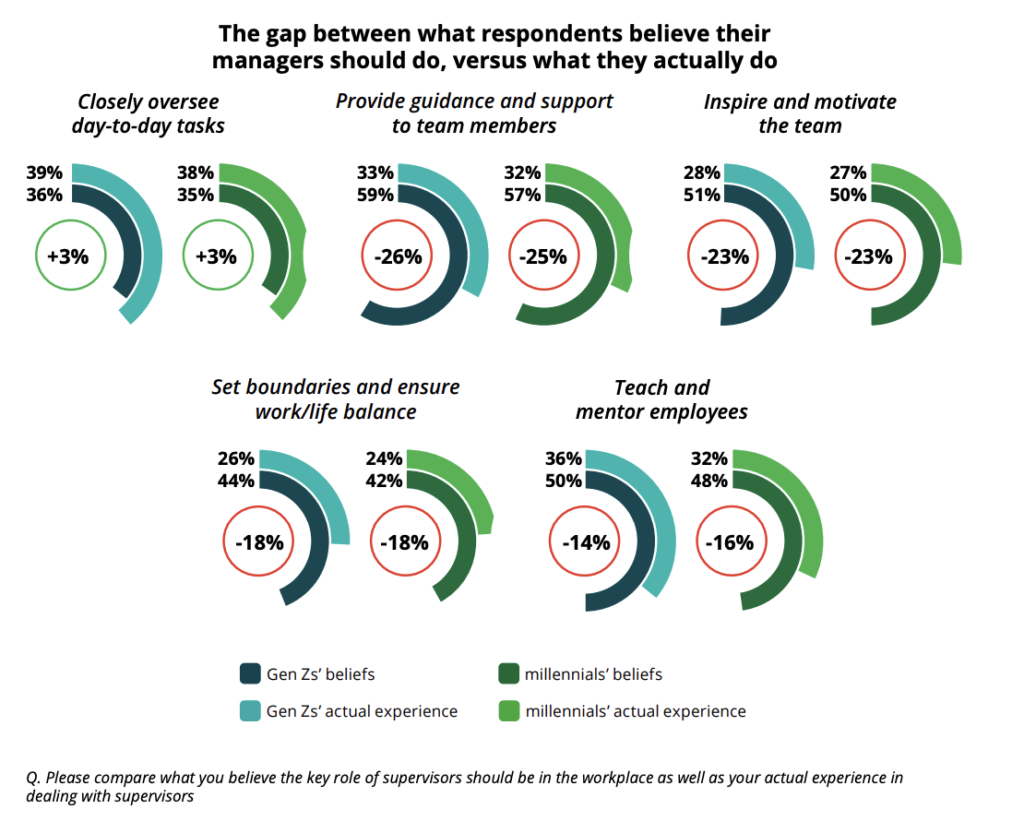
Source: Deloitte, 2025 Gen Z and Millennial Survey
Experts advise employers to not create a specific Gen Z strategy, but rather invest in cross-generational collaboration as a means of augmenting productivity and cutting down conflict. For instance, pairing digital natives Gen Z’s with Gen X’s institutional knowledge in reverse‐mentorship or equipping managers to understand motivational differences across generations. Another change is to relook at legacy systems of feedback, promotions and progression. Gen Z expects instant feedback loops and are unwilling to wait for years for their first promotion.
While all of this may sound like a lot of work and unnecessary overhauling. But it is actually an opportunity for employers to make necessary changes that will supercharge a section of their workforce who will soon staff a majority of their ranks. Gen Z’s expectations are reactions to economic precarity, mental health stress, and value shifts, variables that companies have tackled and adapted to many times before. Closing these current gaps will be critical for future leadership pipelines and business resilience.